You'll find that calibration isn't practically checking if your equipment functions-- it has to do with making certain every measurement you make can be trusted. A lot of professionals believe they recognize the process, however they're missing out on vital actions that might revoke their outcomes. Whether you're collaborating with precision instruments in a lab or industrial equipment on a factory floor, the difference between https://maps.app.goo.gl/daGtUe1aE183LkRD8 proper calibration and uncertainty establishes whether your data holds up under analysis. The risks are higher than you realize.Pre-Calibration Planning
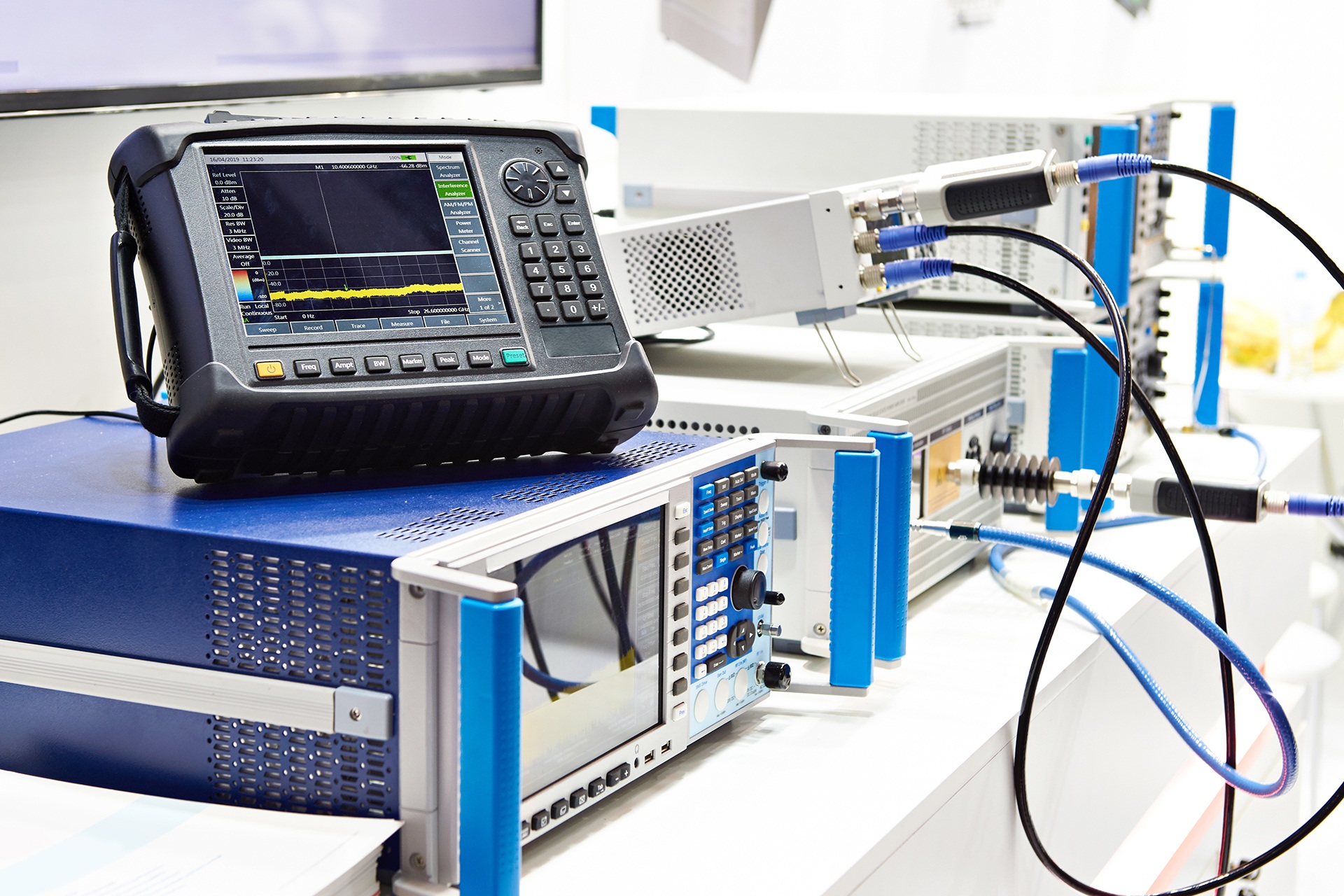
and Equipment Assessment Before your equipment also enters the calibration lab, technicians have to extensively evaluate its existing problem and calibration requirements. This pre-calibration planning ensures your calibration services fulfill details accuracy standards and measurement needs.During equipment analysis, technicians analyze your gadget's paperwork , previous calibration records, and present efficiency metrics. They'll determine which standards and testing treatments are needed to establish correct traceability. This evaluation establishes the suitable measurement varieties, environmental problems, and referral standards required for your equipment.The analysis likewise reveals potential concerns that could affect calibration results. Technicians check for damages, wear, or drift that could jeopardize accuracy.They'll confirm your equipment's requirements versus available calibration capacities, ensuring reliable outcomes that fulfill your quality requirements and regulatory conformity needs.Environmental Conditions and Arrangement Requirements Once your equipment goes into the calibration lab, technicians have to establish precise environmental conditions that directly effect measurement accuracy. Temperature, moisture, and resonance degrees should satisfy rigorous specs described in ISO IEC accredited calibration procedures.You'll locate that setup requirements differ depending on your instruments' sensitivity and the standards being used for comparison.Environmental conditions aren't simply suggestions-- they're critical variables that influence precision throughout the entire process. Calibration services keep controlled environments where temperature variations remain within tenths of levels, and humidity stays stable.Your measurement results depend upon these problems since also minor variants can introduce mistakes that endanger accuracy.Proper arrangement requirements make sure that both your instruments and recommendation standards operate within their defined specifications, preserving the integrity essential for reliable metrology results.Standard Recommendation Option and Measurement Comparison After environmental conditions are developed, technicians select recommendation standards that possess accuracy levels substantially more than your equipment under test. This standard recommendation selection creates the structure of reliable calibration services.The laboratory utilizes traceable standards that preserve straight links to nationwide measurement institutes, guaranteeing your test equipment receives accurate measurements.During measurement contrast, technicians methodically examine your instrument's analyses versus these reference standards across numerous measurement factors. This ISO certified calibration process reveals any deviations in between your equipment's output and the known referral values.Quality guarantee procedures require documenting these comparisons diligently, creating an extensive document of your instrument's efficiency. The measurement comparison data identifies whether your equipment fulfills defined resistances or requires modifications to recover optimum accuracy.Adjustment Procedures and Inconsistency Corrections When measurement comparisons reveal variances beyond acceptable resistances, technicians do precise change procedures to recover your instrument's accuracy. These calibration modifications involve systematic actions that straighten your equipment's analyses with traceable recommendation standards.During change treatments, technicians make physical or digital adjustments to get rid of measurement errors. They'll readjust interior components, recalibrate sensors, or change software parameters to attain conformity with specifications. Each deviation correction is recorded, producing a detailed document of changes made to your instrument.Professional calibration services ensure these adjustments maintain measurement honesty while protecting yourinstrument's functionality. Technicians verify that improvements don't present new mistakes by carrying out follow-up measurements.This precise technique warranties your instrument delivers accurate, reliable results that fulfill sector standards and governing requirements.Verification Testing and Paperwork Procedure Adhering to successful change procedures, your instrument undergoes detailed verification testing to validate it satisfies all defined efficiency criteria.This critical phase entails running multiple test cycles using licensed recommendation standards to confirm your equipment's accuracy across its entire operating range.The testing protocol files every measurement point, contrasting real analyses against known reference worths. Your calibration companies documents all data methodically, producing a traceable record of performance confirmation. This documentation enters into your instrument's irreversible calibration history.During verification, technicians examine repeatability, linearity, and drift attributes. If your equipment passes all examinations, it receives certification verifying  conformity with appropriate standards.This strenuous procedure ensures your instrument supplies reliable, accurate measurements crucial for quality assurance and governing conformity in your operations.Conclusion You have actually currently mastered the crucial actions that'll ensure your calibration process supplies reliable outcomes.
By complying with correct planning, keeping regulated atmospheres, selecting appropriate standards, making needed adjustments, and documenting everything extensively, you're
guaranteeing measurement accuracy and compliance. Don't avoid any type of stage-- each step builds upon the previous one to develop a durable calibration framework. Your attention to information throughout
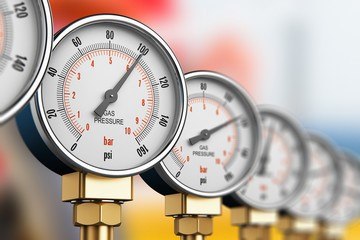
this process directly influences the honesty of your measurements and equipment efficiency.